
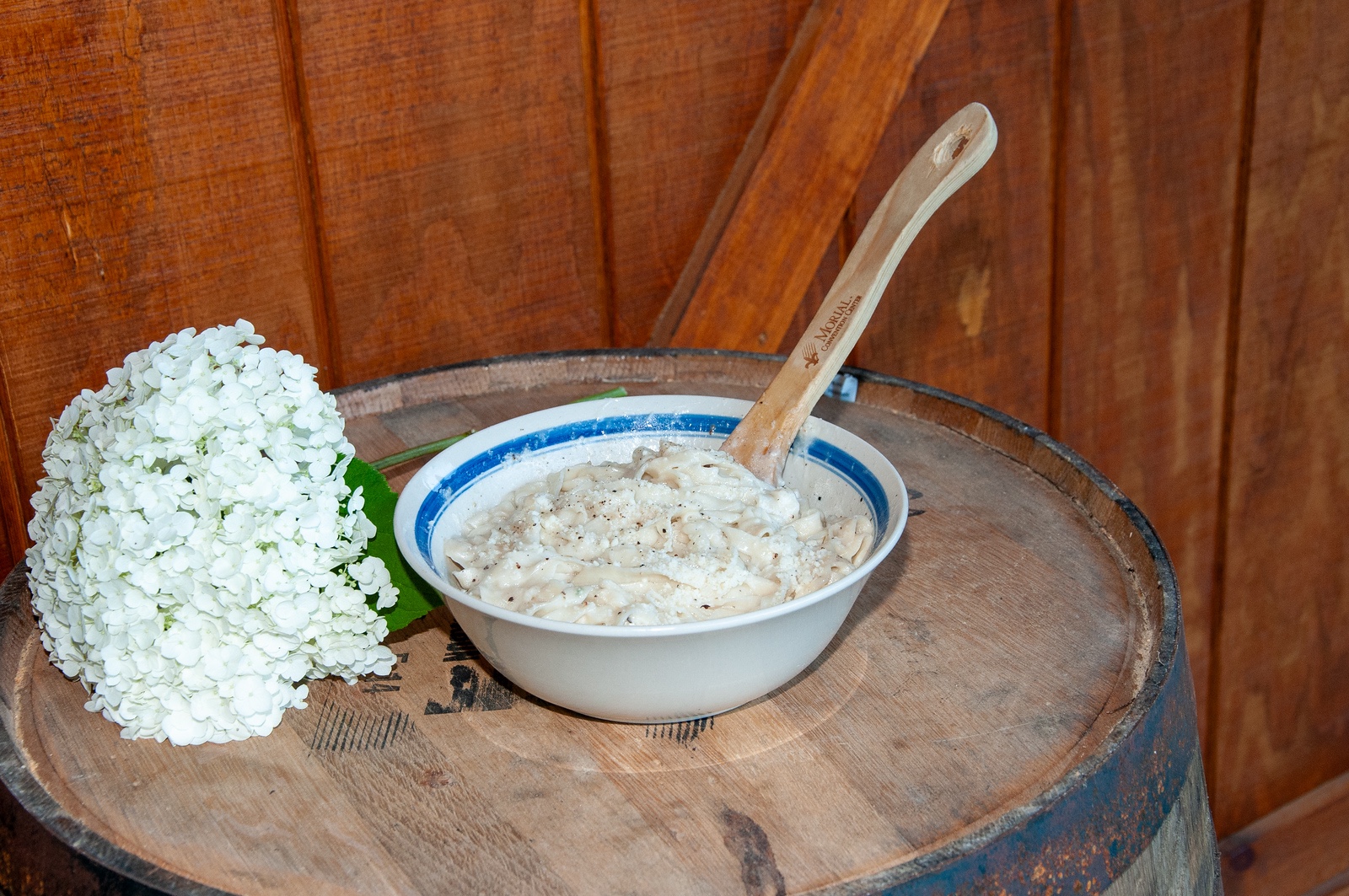
Cacio e Pepe is one of the quintessential dishes of Roman cuisine, celebrated for its simplicity and incredible flavor. Translating to “cheese and pepper,” this dish is a testament to the beauty of minimalism in cooking. With just a few ingredients, Cacio e Pepe transforms into a creamy, peppery delight that’s both comforting and sophisticated. In this post, we’ll explore the history of this classic pasta, provide a foolproof recipe, and offer tips for achieving perfect results every time.
A Brief History of Cacio e Pepe
Cacio e Pepe, which means “cheese and pepper” in Italian, hails from Rome and has its roots in the culinary traditions of the Roman countryside. Traditionally, it was a dish prepared by shepherds using simple, readily available ingredients. Over time, it became a beloved staple in Roman trattorias, prized for its uncomplicated preparation and rich flavors.
Ingredients and Their Importance
- Pasta: Use high-quality pasta, preferably tonnarelli, spaghetti, or homemade! The pasta should be thick enough to hold the sauce well.
- Pecorino Romano: This sharp, salty sheep’s milk cheese is essential for the dish. It creates the creamy texture that defines Cacio e Pepe.
- Black Pepper: Freshly ground black pepper adds a punch of heat and depth of flavor. Using freshly cracked pepper is key to achieving the dish’s characteristic taste.
- Pasta Water: The starchy pasta water helps to emulsify the cheese and creates a silky, cohesive sauce.
- Optional – Olive Oil or Butter: Although not authentic, the addition adds a nice richness to the dish.
Classic Cacio e Pepe Recipe
Ingredients:
- 12 oz (340 g) tonnarelli or spaghetti
- 1 cup (100 g) Pecorino Romano, finely grated
- 1-2 tablespoons freshly ground black pepper
- Optional – 1-2 tablespoons of olive oil or butter
- Salt, for the pasta water
Instructions:
- Cook the Pasta: Bring a large pot of salted water to a boil. Cook the pasta according to the package instructions until al dente. Reserve 1 cup of pasta water before draining.
- Toast the Pepper: While the pasta is cooking, heat a large skillet over medium heat. Add the freshly ground black pepper and toast for about 1 minute until fragrant. This step is not required, but enhances the pepper’s flavor and aroma.
- Create the Sauce: Reduce the heat to low. Add ½ cup of the reserved pasta water to the skillet with the toasted pepper. Stir to combine.
- Add the Pasta: Transfer the cooked pasta directly into the skillet with the pepper water. Toss to coat the pasta evenly.
- Incorporate the Cheese: Gradually add the finely grated Pecorino Romano, tossing continuously. The cheese should melt and blend with the pasta and water to create a creamy sauce. If the sauce seems too thick, add more pasta water a little at a time until you reach the desired consistency.
- Serve: Serve immediately, garnished with extra Pecorino Romano and freshly ground black pepper if desired.
Tips for Perfect Cacio e Pepe
- Finely Grate the Cheese: For a smooth sauce, ensure the Pecorino Romano is finely grated. Larger pieces won’t melt as evenly.
- Use Starchy Pasta Water: The starch in the reserved pasta water helps to emulsify the cheese and create a creamy texture. Don’t skip this step!
- Toss Quickly: Once the cheese is added, work quickly to toss the pasta and combine it with the sauce. This helps the cheese melt properly and prevents clumping.
- Adjust the Pepper: The amount of black pepper can be adjusted based on your preference. Start with the suggested amount and taste before adding more.
Cacio e Pepe is a shining example of how simplicity in ingredients can lead to extraordinary flavor. By focusing on high-quality Pecorino Romano and fresh black pepper, you can create a dish that’s both elegant and comforting. Whether you’re a novice cook or a seasoned chef, this classic Roman pasta will surely become a favorite in your kitchen. So gather your ingredients, and savor the simplicity and sophistication of Cacio e Pepe!
One response to “Cacio e Pepe: The Simple Elegance of Classic Roman Pasta”
[…] Our favorite cheese sauce: Cacio e Pepe: The Simple Elegance of Classic Roman Pasta […]